Editorial Board
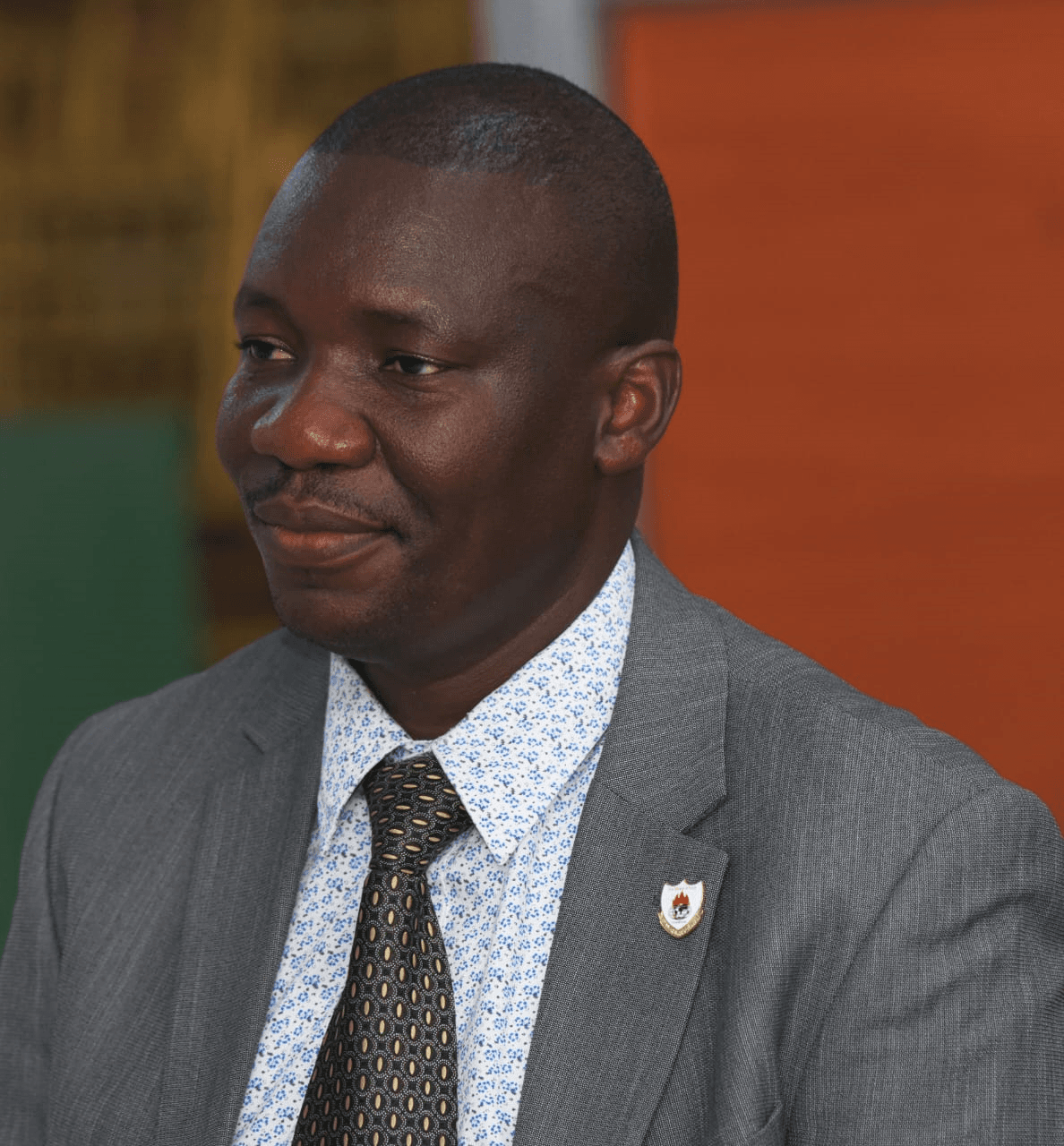
Dr. David Okeyo (Bsc., Msc., PHD., MPH., RPHN)
Institution: Kenya Nutrition and Dietetics Institute (KNDI)
Research Interests: Public Health Nutrition, Population-based Health Interventions, Healthy Diet, Physical Activity, Psychometric Measure for Health Indicators, Nutrition Policy, Governance, and Leadership.
ORCID ID: 0000-0002-7200-003X
Dr. Okeyo has over 15 years of experience in Public Health and Nutrition research, with over 56 peer-reviewed publications dating from 2007 to the present. He has 14+ years of experience in nutrition and health research and programmatic support. He supervises postgraduate research projects across four public and private universities in Kenya. With expertise in quantitative research methodologies, he has conducted complex health-related studies across multiple disciplines. His work spans population-based research at the community level, providing consultancy for international organizations.
Dr. Evayline M. Nkirigacha (MSc., PhD)
Institution: Pwani University, Kenya
Research Interests: Human Nutrition, Food Security, Nutrition-Sensitive Agriculture
ORCID ID: 0000-0002-4022-7715
Dr. Nkirigacha is an expert in Human Nutrition Intervention, Nutrition-Sensitive Agriculture, and Food Product Formulation. She is the Chair of the Department of Foods, Nutrition & Dietetics at Pwani University and serves as the Chair of the Kenya Nutrition and Dietetics Institute (KNDI) Council, ensuring professional and academic standards for nutritionists and dietitians in Kenya.
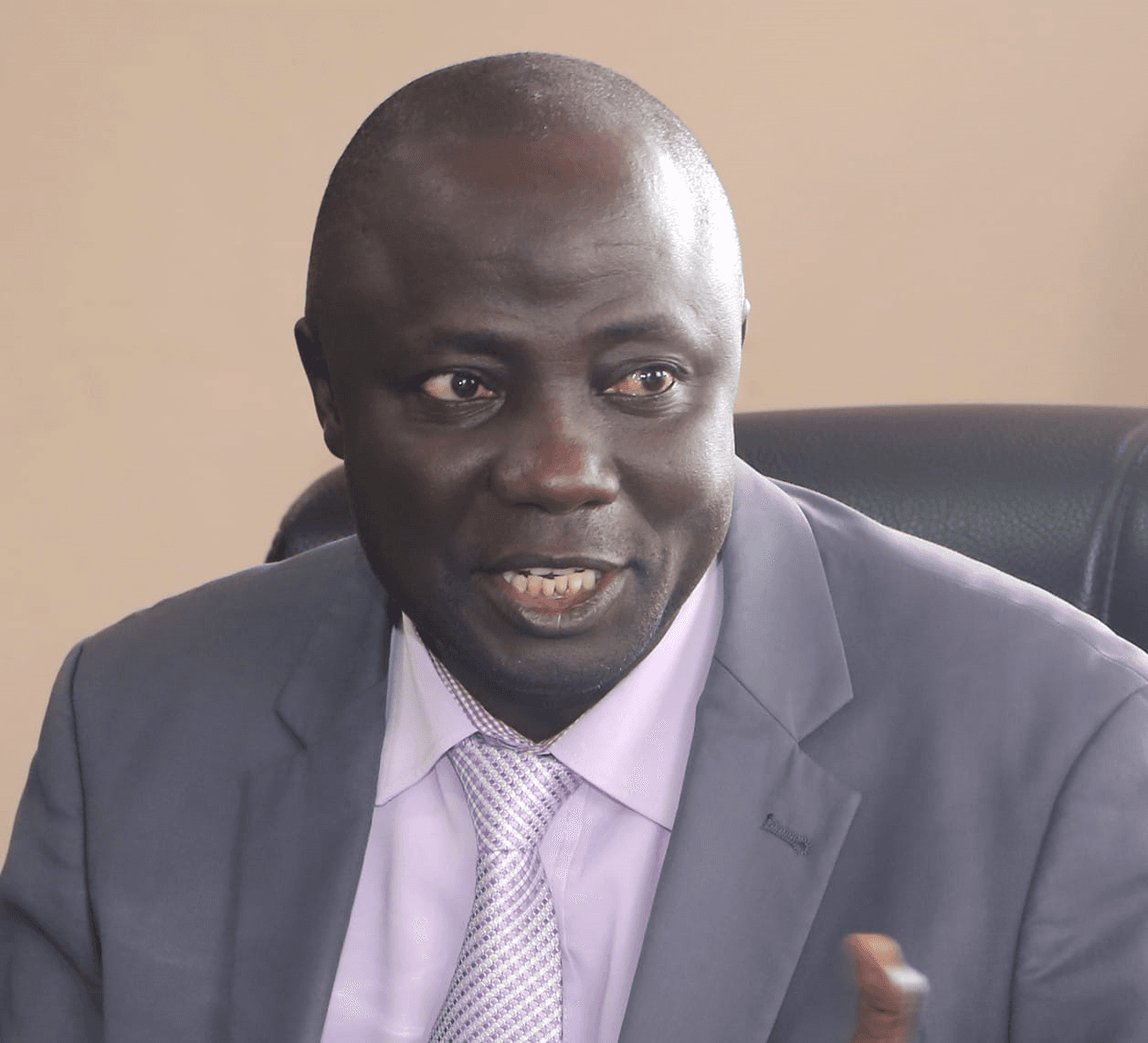
Prof. Gordon Nguka (MSc., PhD)
Institution: Masinde Muliro University of Science and Technology (MMUST)
Research Interests: Pediatric Physiology, Clinical Nutrition, Micronutrient Deficiencies
ORCID ID: 0000-0002-6749-4602
Prof. Nguka specializes in nutritional interventions for childhood stunting and anemia. He has spearheaded public health programs in East Africa focused on micronutrient supplementation.
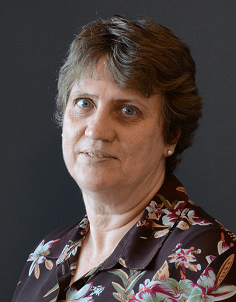
Prof. Annelie Gresse (PhD)
Institution: Stellenbosch University, South Africa
Research Interests: Indigenous Nutrition Knowledge, School Feeding Programs, Dietary Interventions
ORCID ID: 0000-0003-2147-7812
Prof. Gresse is an expert in indigenous food systems and their role in school nutrition programs. She has worked extensively on evaluating the impact of school meal programs on child development.

Dr. Paul Eme Eze (PhD)
Institution: University of Nigeria, Nsukka
Research Interests: Food Systems, Dietary Assessment, Traditional Food Preservation
ORCID ID: 0000-0001-9546-3697
Dr. Eze’s research focuses on sustainable food systems and traditional food processing methods. His work includes assessing dietary patterns and food security interventions in rural communities.
Assistant Editors
To be updated based on journal requirements.
Criteria for Editors
- Ph.D. holder in Nutrition, Dietetics, or a related field.
- Published at least 20 peer-reviewed papers.
- Minimum two years of editorial experience in peer-reviewed journals.
- Active in nutrition research and professional networks.
Competencies Required
- Strong Leadership – Ability to guide academic and editorial decisions.
- Scientific Rigor – Expertise in nutrition research methodologies.
- Editorial Judgment – Ability to assess manuscript quality and originality.
- Peer Review Management – Overseeing and assigning manuscript reviews.
- Ethical Integrity – Ensuring compliance with COPE & research ethics.
Roles, Responsibilities, and Obligations
- Manuscript Evaluation – Reviewing and selecting high-quality research.
- Editorial Decision-Making – Accepting, rejecting, or requesting revisions.
- Ensuring Ethical Standards – Upholding conflict of interest policies.
- Journal Growth & Impact – Improving indexing, citations, and visibility.
- Author & Reviewer Engagement – Facilitating collaboration and feedback.
Criteria for Selection
- Must be registered and licensed with KNDI or a relevant regulatory body in their country
- Must hold a PhD and at least five years of post-doctoral experience in their chosen field
- Must have published at least 15 papers in a peer-reviewed Nutrition & Dietetics journal
- Must have been a reviewer in an international peer-reviewed journal for at least three years
How to Become an Editor
We invite experts in the following fields:
- Clinical Nutrition & Dietetics
- Public Health Nutrition
- Food Science & Safety
- Nutritional Biochemistry
- Sustainable Diets & Food Security
Benefits of Being an Editor
- Enhance Academic Reputation – Gain global recognition as a thought leader.
- Expand Research Network – Connect with leading scientists & institutions.
- Editorial Experience – Develop skills in manuscript review & publishing.
- Priority in Journal Publications – Editors receive fast-tracked manuscript processing.
Application Process
Interested candidates should submit:
- A detailed CV with academic and editorial experience.
- A cover letter explaining editorial interests.
- At least two recommendation letters.